Music always plays a huge role at the Tribeca Festival, in the form of music-oriented documentaries and special post-film performances. Here’s a look at four new films that run the gamut from country to jazz, rock to Broadway.
Francis Whately’s Rebel Country begins with the 2019 arrival of Lil Nas X’s “Old Town Road,” in which the rap artist rode a horse to a catchy country tune that became a massive pop hit. It could also have been a massive country hit if the powers-that-be hadn’t disqualified it from their charts. The controversy continues today (though not addressed in the film) with Beyoncé’s smash country album that had some traditionalists shaking their heads. The film notes that country music has strong African-American roots, dating back to the call-and-response songs of the slaves. When recording technology advanced in the 1920s, records were divided into two categories: race music and hillbilly music, which later evolved into R&B and country. The movie includes a striking example: Bessie Smith’s 1924 “Ticket Agent Ease Your Window Down” and Jimmie Rodgers’s 1928 “Blue Yodel No. 1,” which are basically the same song! As modern-day Black artist Blanco Brown contends, “Music don’t have no color. Country music is the same as the blues.” Based in Atlanta, Brown says in his music “the hood meets country”; he calls his style “trailer trap,” trap being a stripped-down Southern hip-hop style that emphasizes percussion.
Pioneering ’60s and ’70s country artist Charley Pride is the exception that proves the rule, but country music seems to be gradually accepting artists of color. That also applies to Frank Ray (born Francisco Gomez), a Mexican former cop and rising country artist who’s following in the tradition of the few Latino country stars like Freddie Fender. And don’t forget those Mexican horns in Johnny Cash’s classic “Ring of Fire,” he reminds us.
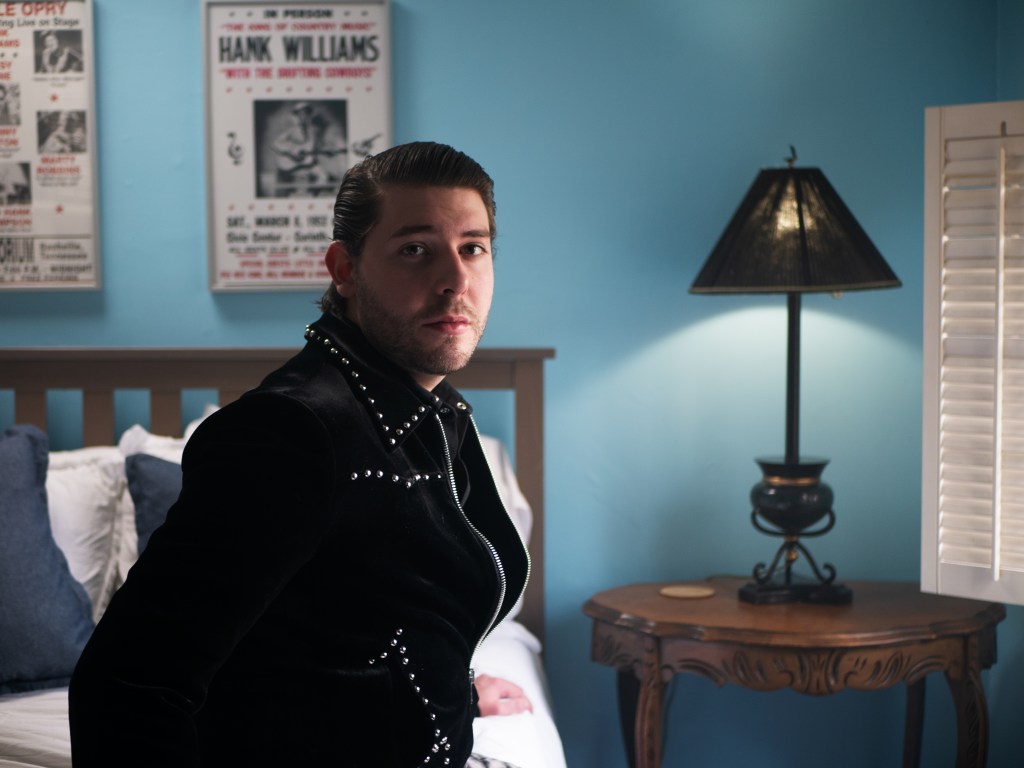
Jelly Roll, a former convict, rapper, and newly minted country star, is a strong presence in the film, declaring that “country has always been home for rebels.” The original country rebel, he contends, was the legendary Hank Williams, whose alcoholism and drug abuse led to heart failure at the age of 29. Lo and behold, Williams learned how to play the guitar from a close Black friend, Rufus “Tee-Tot” Payne. Williams’s grandson, Sam Williams, is another subject here, representing yet another minority changing country: He’s gay. So is Chely Wright, a popular singer who made history—and suffered the consequences—when she came out in 2010.
Rebel Country also focuses on other women impacting country music: Lainey Wilson, whose kick-ass persona challenges male assumptions, and Lindsay Ell, who courageously addressed her rape at age 13 in her song “Make You.” As veteran country artist Emmylou Harris says in the film, “Music has to be about reality.” Looks like this new breed of country performers is doing their best to keep it real.
Claude Nobs
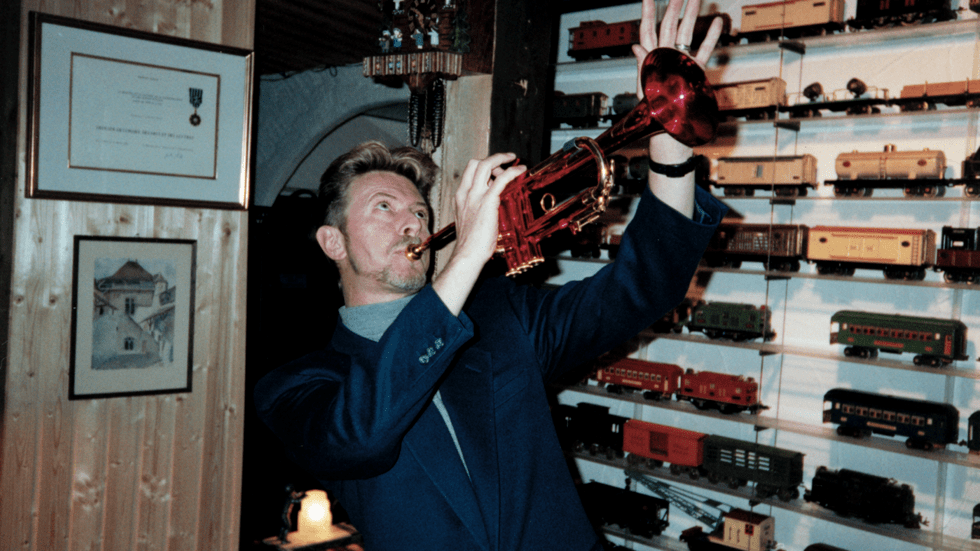
They All Came Out to Montreux is a condensed (by half) theatrical version of a three-hour TV series about the famed Montreux Jazz Festival and its founder. Claude Nobs was director of the tourism office of the quaint Swiss Riviera town of Montreux when he began staging concerts to attract visitors. Three years later, in 1967, he expanded the idea into a three-day jazz festival which quickly gained an international reputation. Nobs also expanded the programming to encompass much more than jazz, welcoming stars like Bob Dylan, James Brown, Marvin Gaye, Carole King, and David Bowie. A flamboyant and beloved presence, Nobs was a gay man, and he briefly suffered from the provincialism of his hometown when he was entrapped and arrested. But he was quickly released thanks to the outrage of his many allies. Another crisis occurred when the Montreux casino, home of the fest, burned down—the fire was immortalized in the Deep Purple classic “Smoke on the Water,” in which Nobs is name-checked. Never fear, the casino was rebuilt and this “Rolls-Royce of festivals,” in good friend Quincy Jones’s words, carried on. Tragically, Nobs died in 2013 after a skiing accident, but his legacy thrives in the many recordings and film clips from the annual event the fest keeps in its archives. Dipping into those archives, the doc includes marvelous performances from Ella Fitzgerald, Aretha Franklin, Les McCann, Miles Davis, Van Morrison, Carlos Santana and more. Let’s hope it finds a home in the U.S.
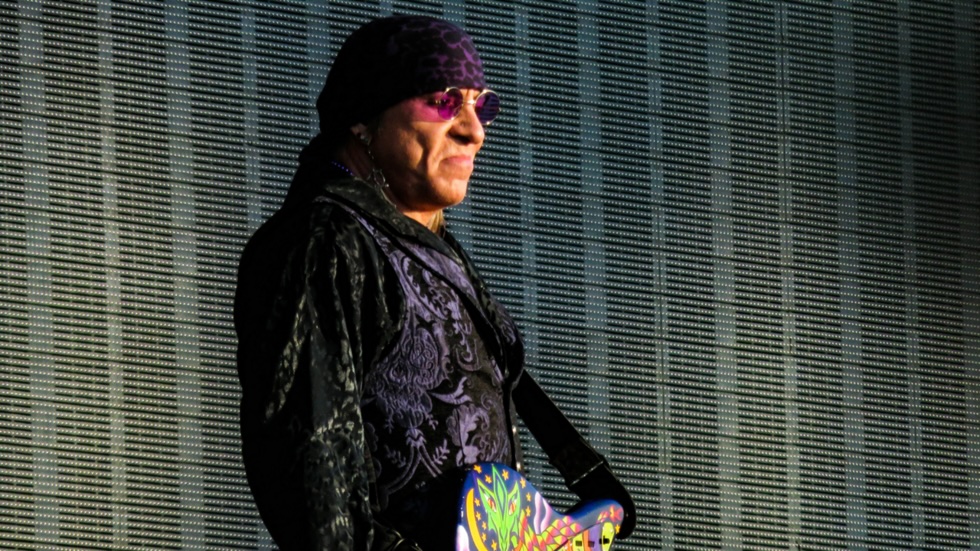
HBO has gone all out to pay tribute to a lesser-known rock star with Stevie Van Zandt: Disciple, a 147-minute career retrospective. But it kind of makes sense, because not only is Van Zandt the longtime sideman in Bruce Springsteen’s E Street Band, he’s also the indelible Silvio Dante in HBO’s all-time gem “The Sopranos.” It’s a multi-faceted journey that almost deserves the excessive length.
Bill Teck’s documentary is divided into four “books”: Salvation, Revolution, Evolution, and Revelations. The first section tells how this Italian kid (Van Zandt is his stepfather’s name) from New Jersey was “saved” by rock ’n’ roll. (There were no bands before The Beatles, he says, and the emergence of the punkier Stones convinced him he could do this too.) He co-founded the popular Asbury Park band Southside Johnny and the Asbury Jukes, produced their albums, and wrote many of their songs. He was also a key contributor to Springsteen’s landmark Born to Run album and joined his band soon after. By the time of his 1983 marriage to his wife Maureen, “the Brigitte Bardot of New Jersey,” he was cool enough to have Little Richard officiate at the wedding and bring in Percy Sledge to sing “When a Man Loves a Woman.”
The ”Revolution” chapter follows Van Zandt’s solo career and his increasingly political songwriting that likely kept him off the charts. No doubt the musician’s greatest achievement was his anti-apartheid protest song “Sun City”; the recording and music-video assembled a gathering of stars to rival “We Are the World,” including Springsteen, Bob Dylan, Bono, Lou Reed, Bonnie Raitt, Ringo Starr, George Clinton, Darlene Love, Joey Ramone, Peter Gabriel, and Run-D.M.C. The song is credited with being a key driver in the campaign to free Nelson Mandela.
The doc includes footage of Van Zandt inducting The Rascals into the Rock and Roll Hall of Fame in 1997. “Sopranos” creator David Chase was there and, sure enough, you can see the nascent Silvio Dante up on the stage: funny, cocky, a genuine New Jersey Italian character. (Van Zandt had never acted before, apart from a low-budget indie film early in his career.) Along with his TV fame, Van Zandt has been a radio pioneer: His syndicated radio show “Little Steven’s Underground Garage” plumbs his deep knowledge of rock music and has boosted the careers of many artists.
A sign of Van Zandt’s level of respect in the rock world is the impressive roster of names paying tribute in the doc: Paul McCartney, Darlene Love, Bono, Jackson Browne, Eddie Vedder, Bill Wyman, Peter Gabriel and, of course, Bruce Springsteen.
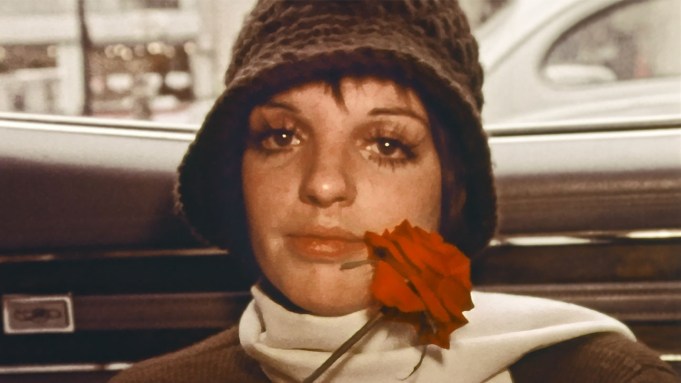
Moving to a decidedly different show-business neighborhood, a joyous Tribeca highlight is Liza: A Truly Terrific, Absolutely True Story. Bruce David Klein’s portrait of the versatile Liza Minnelli is also divided into chapters, each focusing on a mentor who helped shape her into a star. First, following the death of her iconic mother Judy Garland, was Kay Thompson, creator of the Eloise books and an unconventional-looking musical dynamo the movies didn’t know what to do with. Thompson became a surrogate mother figure and doting friend during that sad period, though the film claims she was bitterly jealous of her protégé’s success.
Mentor #2: Charles Aznavour, the French superstar who taught Minnelli how to act a song. Mentor #3: Bob Fosse, responsible for directing two 1972 triumphs, her Oscar win in Cabaret and her Emmy win for the TV concert “Liza With a Z.”
Mentor #4 actually predates the others: Lyricist Fred Ebb, who, with his composer partner John Kander, cast Minnelli in her first, Tony-winning Broadway musical, Flora the Red Menace, and went on to write Cabaret and her subsequent shows The Act and The Rink. He also tailored her signature patter song about how to pronounce her name, “Liza with a Z.”
The final mentor here is Halston, who turned Minnelli into a distinctive fashion icon. This segment provides a natural segue to their joint appearances at the chic and naughty Studio 54, where the drugs flowed freely—even if Minnelli claims the hotspot was quite innocent. Here, the doc finally gets around to the downside of Minnelli’s fame: her addictions that led to a stint at the Betty Ford Center; her many romances and marriages, some unknowingly to gay men like Aussie showman Peter Allen; the pressure of living up to the reputation of her incredibly gifted mother; and the weariness of having to be “on” at parties and public events. Minnelli participated in a new interview for the film, and although she seems fragile, her spirits remain high. To quote current superstar Beyoncé, she’s a survivor.
Pictured at top: Sam Williams in Rebel Country.
 Kevin Lally on Film
Leave a comment